

When a New Apartment Isn’t Yet a Good Home
There is a common belief that buying a newly built apartment means buying a well-designed home.
Everything is new. The materials are flawless. The finishes are immaculate. It feels as though the difficult part is already behind you. All that remains is choosing a beautiful kitchen, the right furniture and a few carefully considered details.
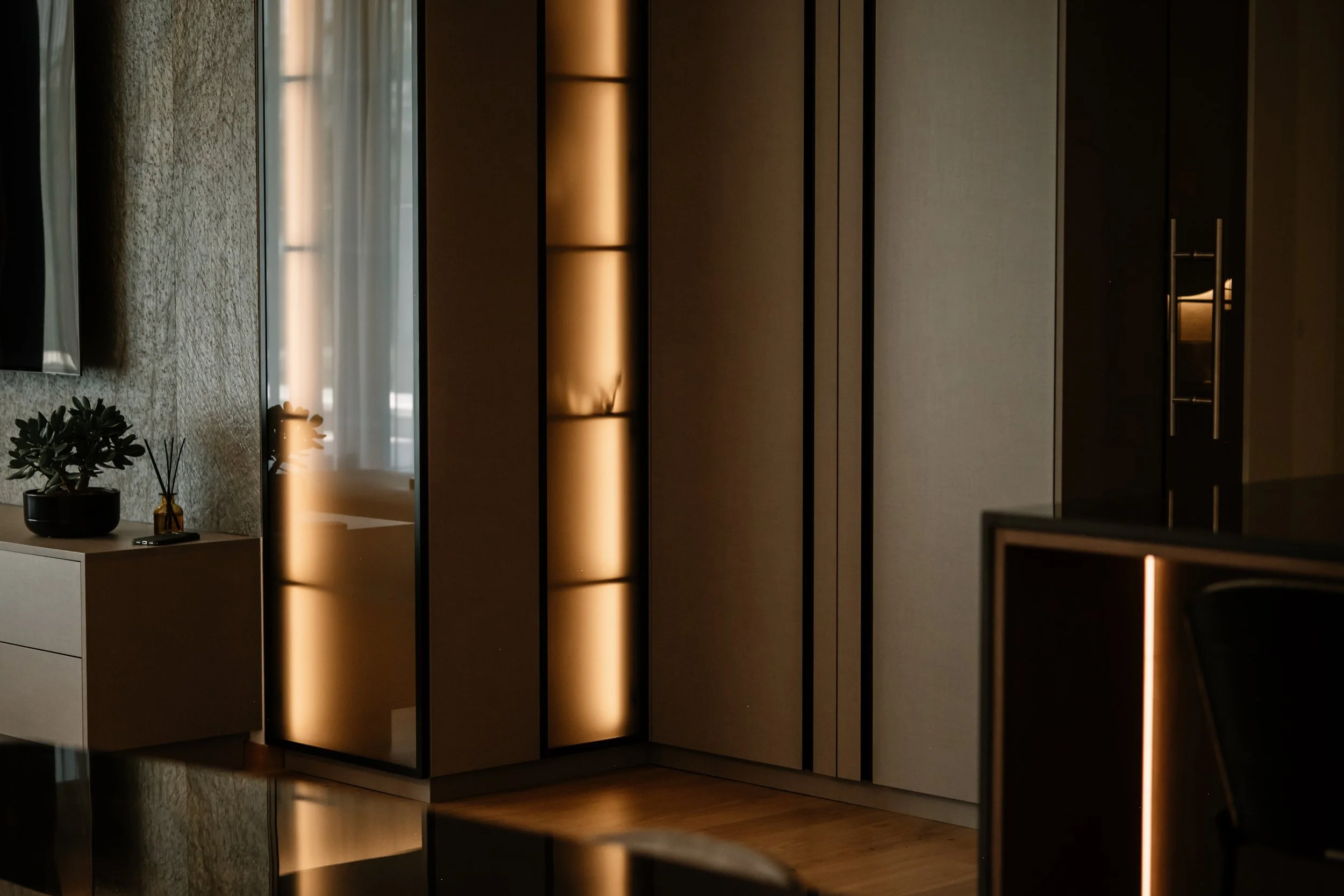
Thoughts on interior architecture, everyday living and the courage to redesign what already seems complete.
In reality, that is where the real conversation begins.
Is this space truly designed for the life that will unfold within it?
It is the first question I ask whenever I step into a new project.
I am not only interested in how a space will look once it is photographed. I want to understand how it will feel ten or twenty years from now. How people will move through it every morning. Where they will naturally pause. Where their eyes will rest. How the home will quietly support everyday life rather than constantly asking to be noticed.
A successful interior is rarely defined by its first impression.
It is defined by what happens after the excitement of moving in has faded—when living in the space begins to feel effortless, almost inevitable, as though it could never have been arranged any other way.
That is the difference between a beautifully furnished apartment and a thoughtfully designed home.
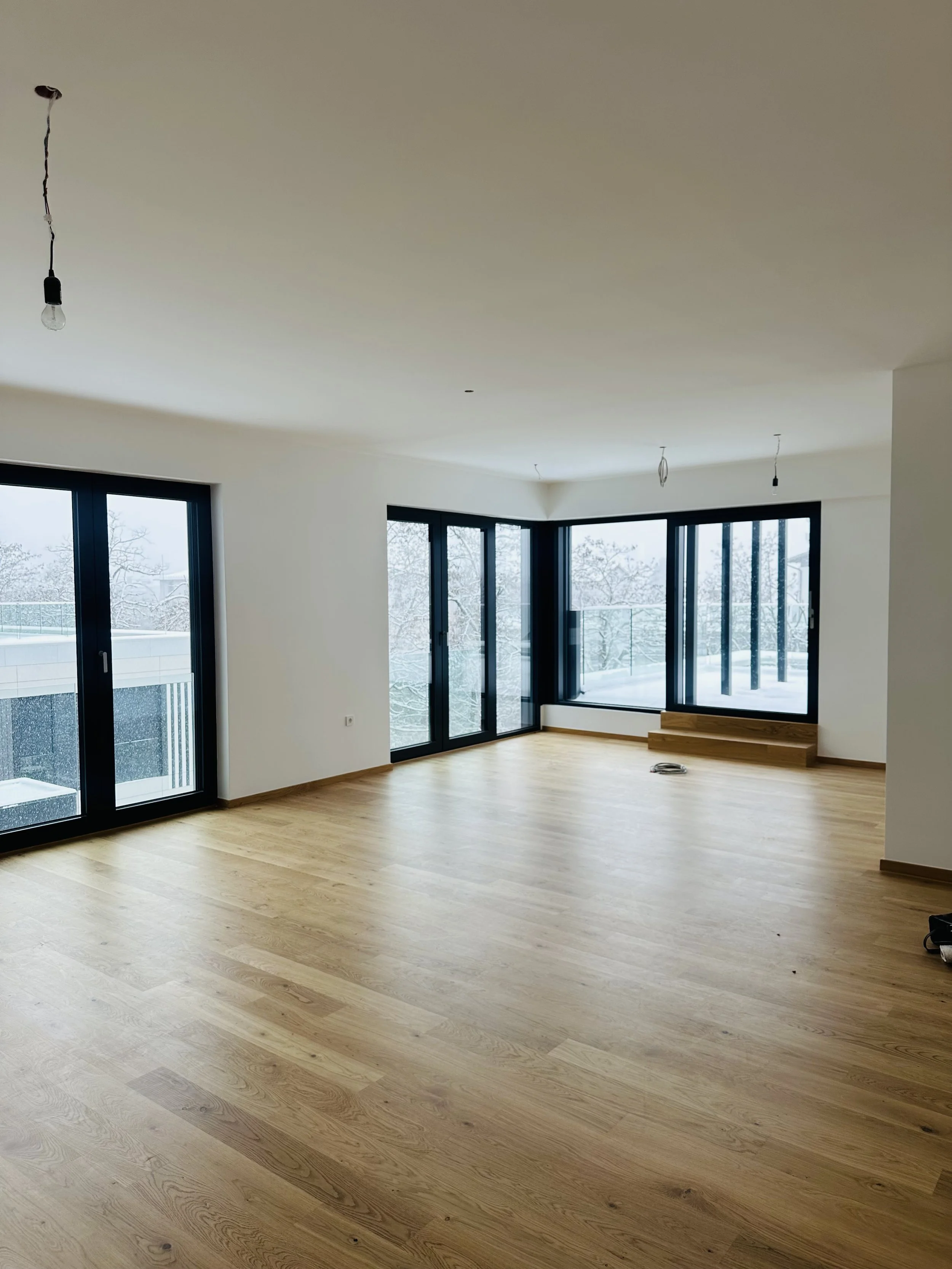
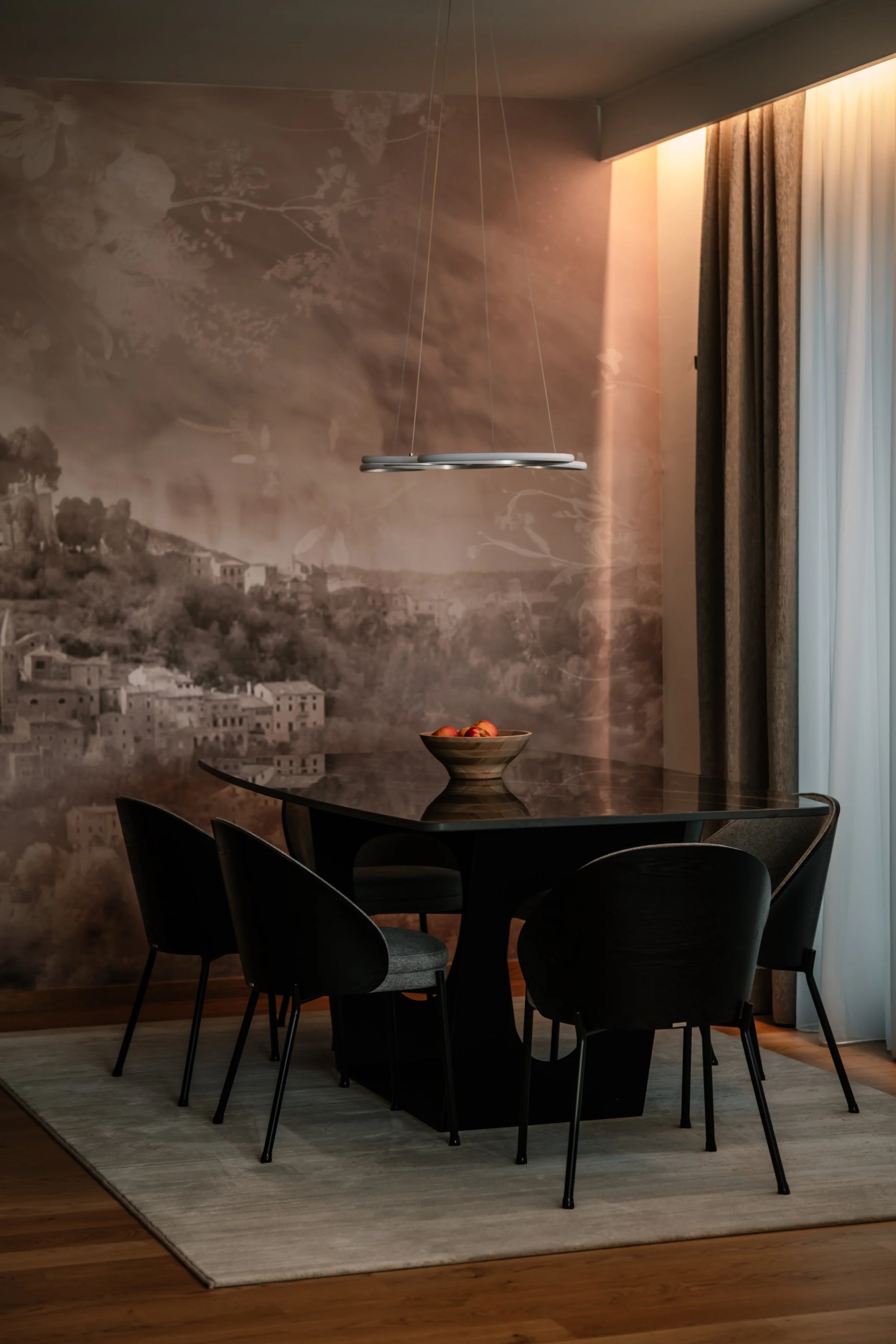
When we first entered the Devana project, everything was new. The timber flooring had just been installed.
The bathrooms were complete. The tiles were flawless. The apartment was, by every conventional measure, finished. And yet, within minutes, it became clear that something was missing.
Not because anything had been poorly built. Quite the opposite. The craftsmanship was excellent.
But craftsmanship and spatial quality are not the same thing. One speaks about execution.
The other speaks about how a space serves the people who will inhabit it. That distinction lies at the heart of interior architecture.
Whenever I begin a project, I am less interested in finishes than in relationships. The relationship between rooms. Between movement and light. Between everyday rituals and the spaces that support them.
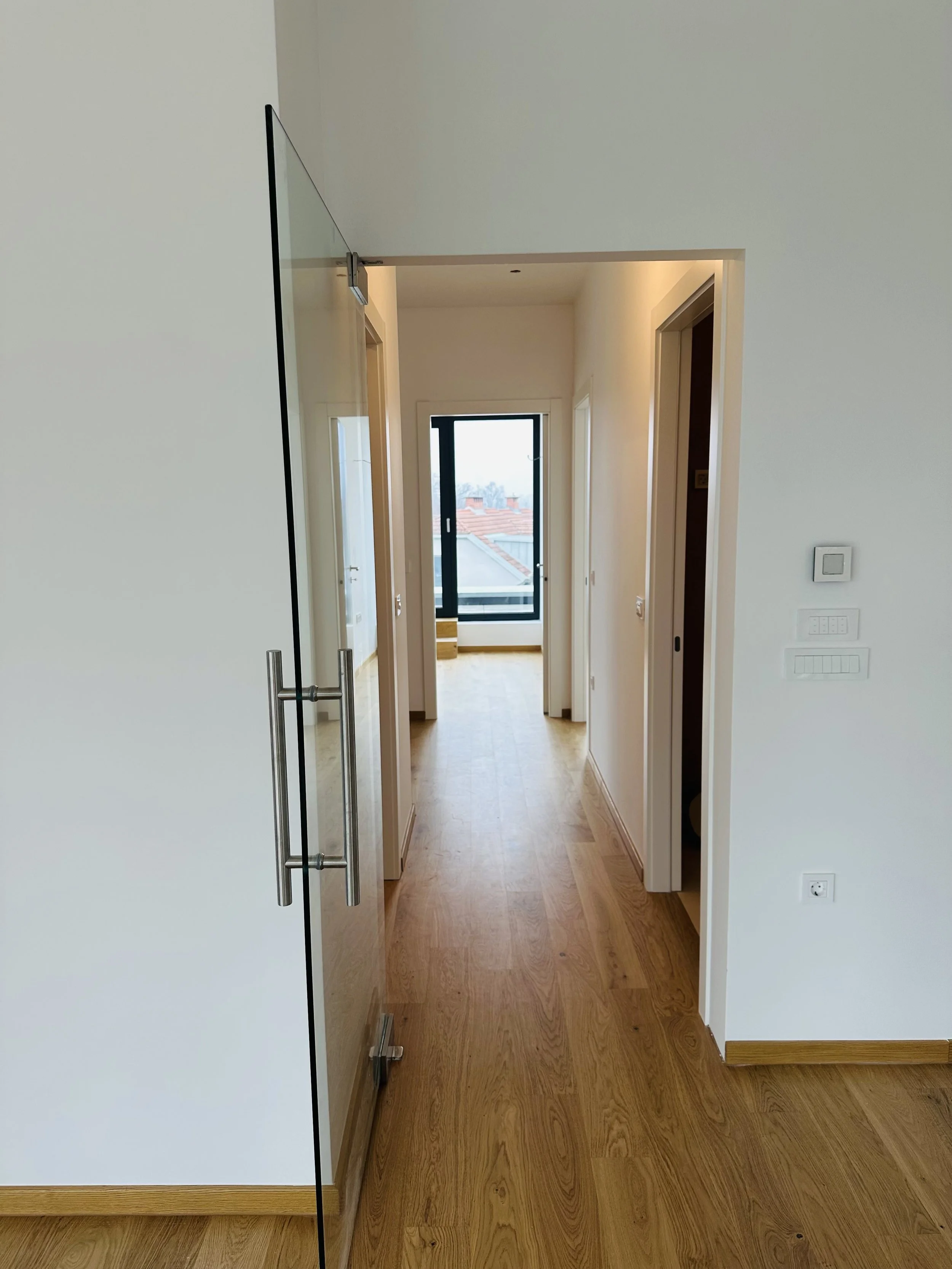
A floor plan may appear perfectly logical on paper while quietly creating small moments of friction every single day. A kitchen disconnected from the rhythm of the home. A living area that never quite becomes the centre of family life. Views that stop where they should continue.
None of these things seem significant in isolation.
Together, they define the experience of living.
At Devana, it became evident that the original layout could not fully support the lifestyle of its owners.
The kitchen interrupted the natural flow of the apartment.
The living space failed to take advantage of its light and openness. Nothing was technically wrong.
But the space had not yet found its balance.
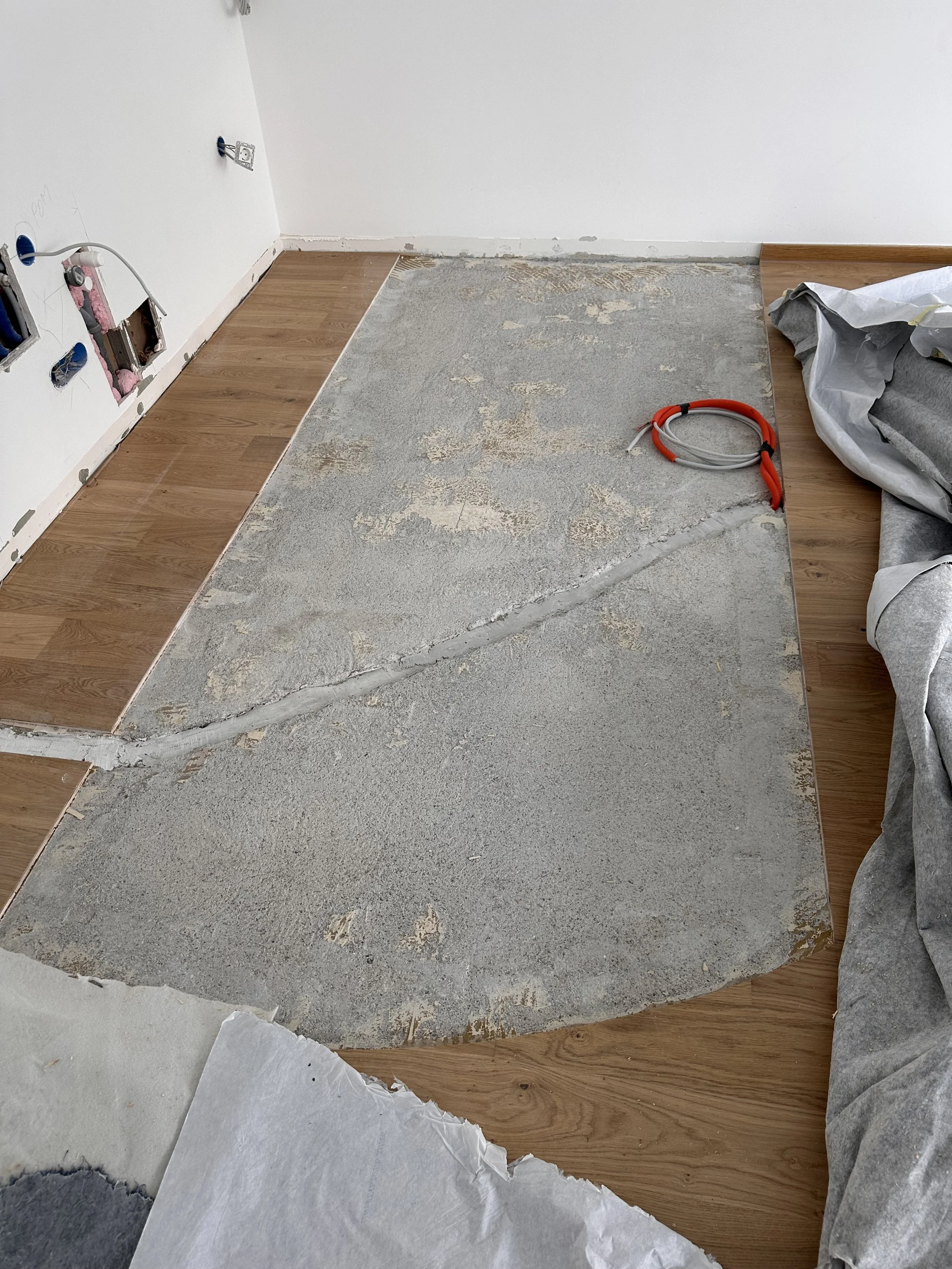
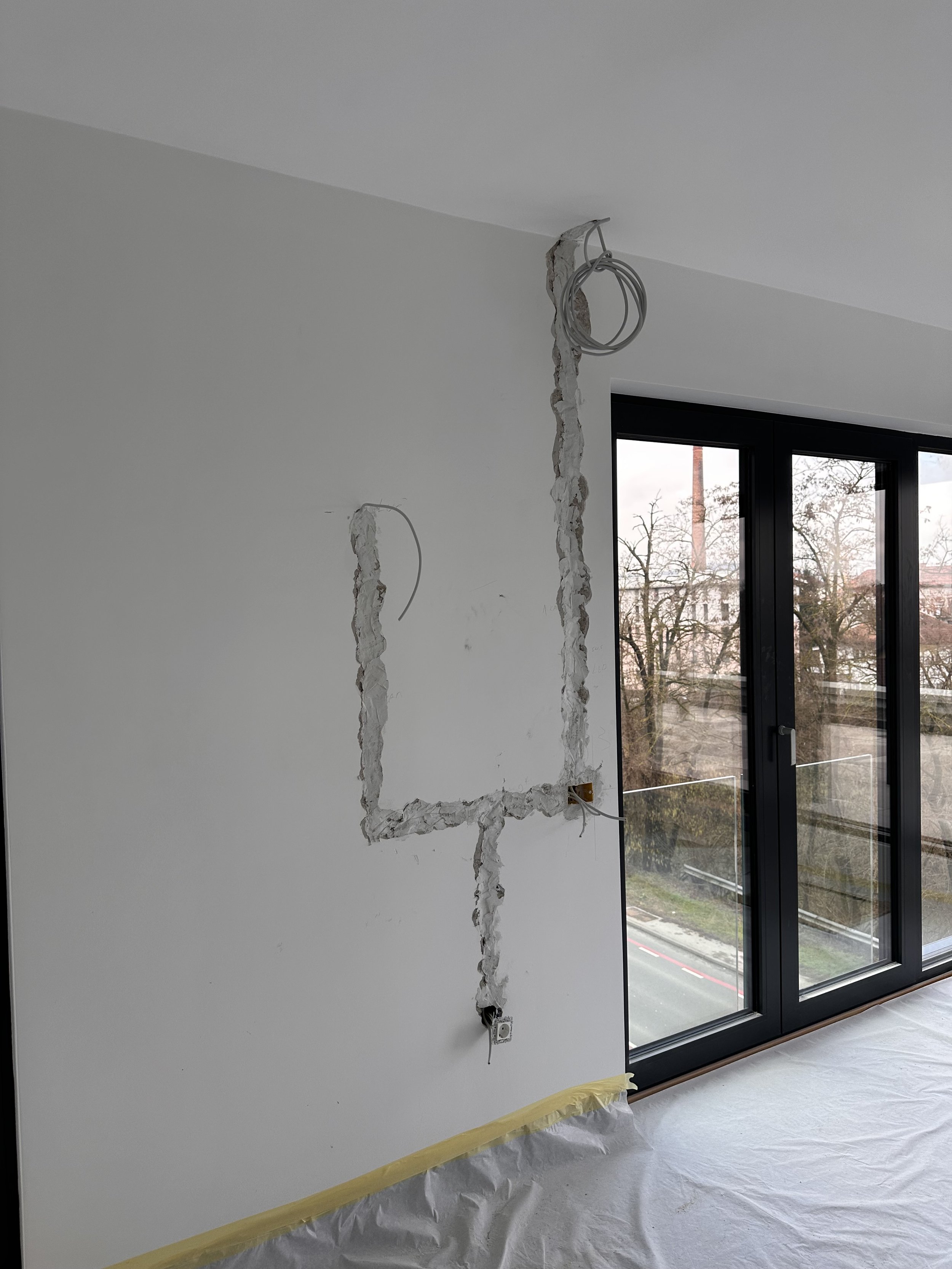
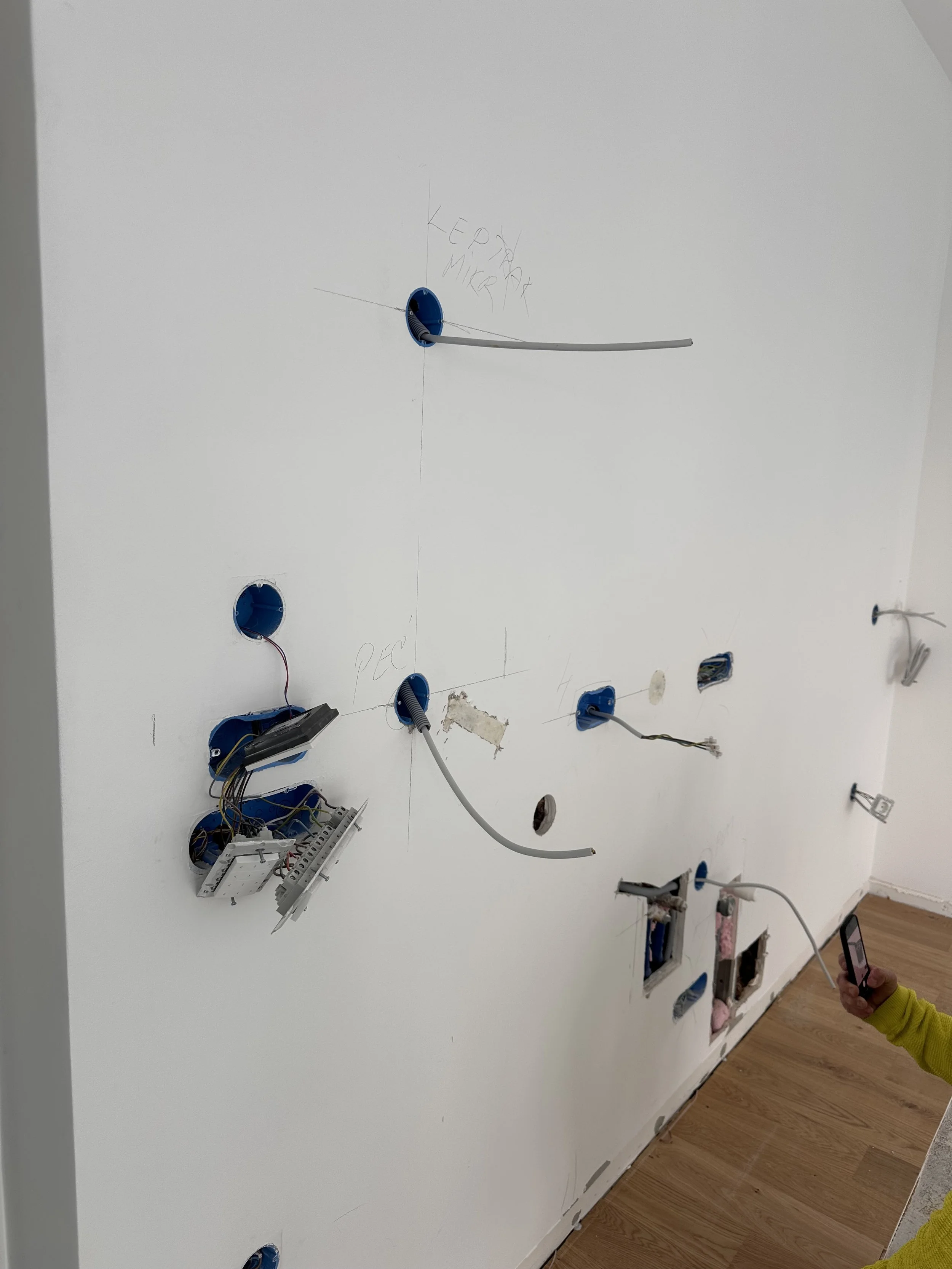
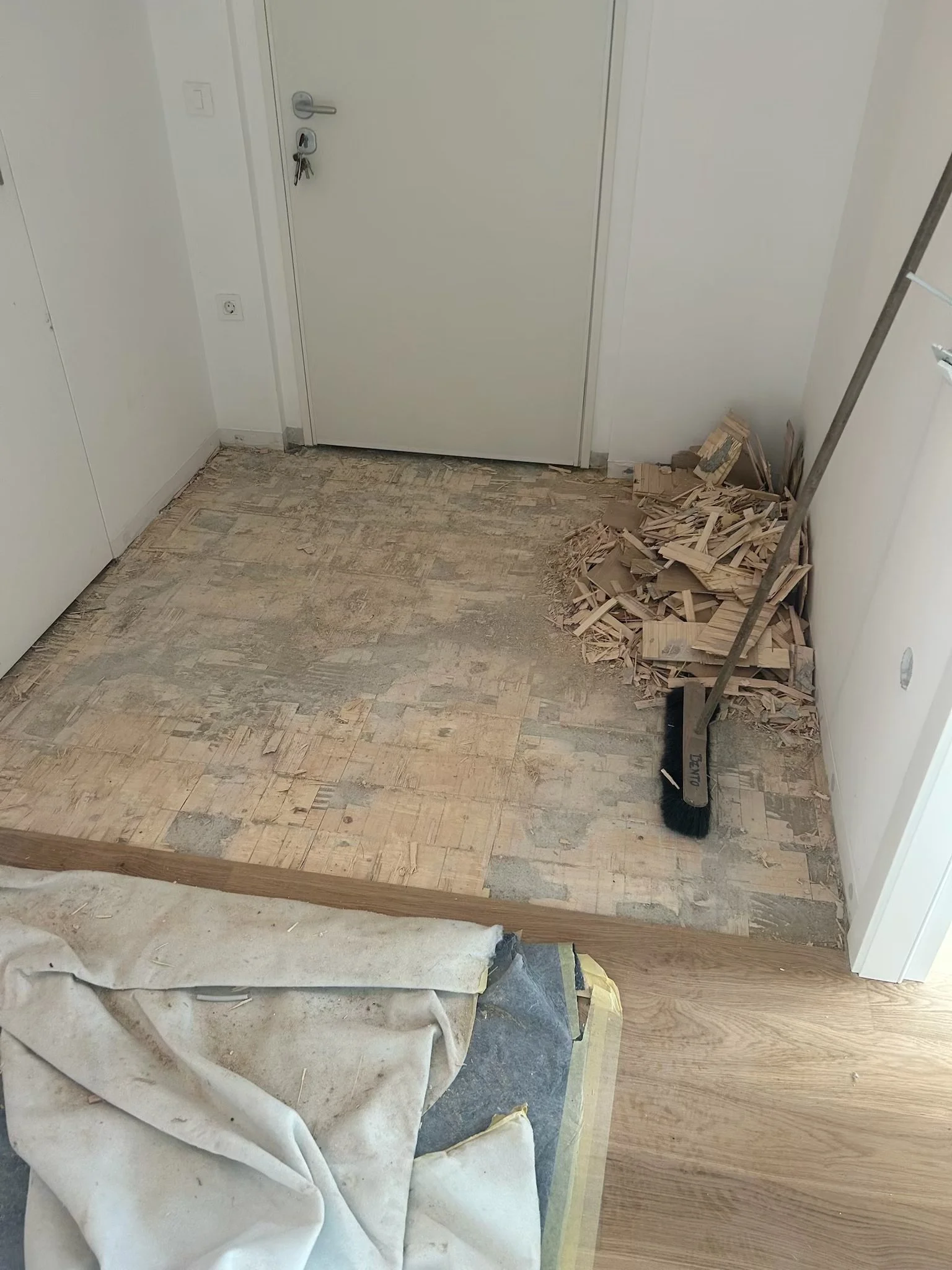
Decisions like these are never easy. They require accepting that something entirely new may have to be undone. We removed newly installed timber flooring.
We opened finished walls. We relocated plumbing and mechanical services. We dismantled work that had only recently been completed. To many, that sounds irrational.
Why demolish something brand new? Perhaps because new is one of the most misunderstood words in residential design. New simply means it has never been used. It does not necessarily mean it has been designed in the best possible way.
One of the greatest misconceptions in interior design is the belief that luxury is created through expensive materials.
Stone. Timber. Lighting. Furniture. They all matter.
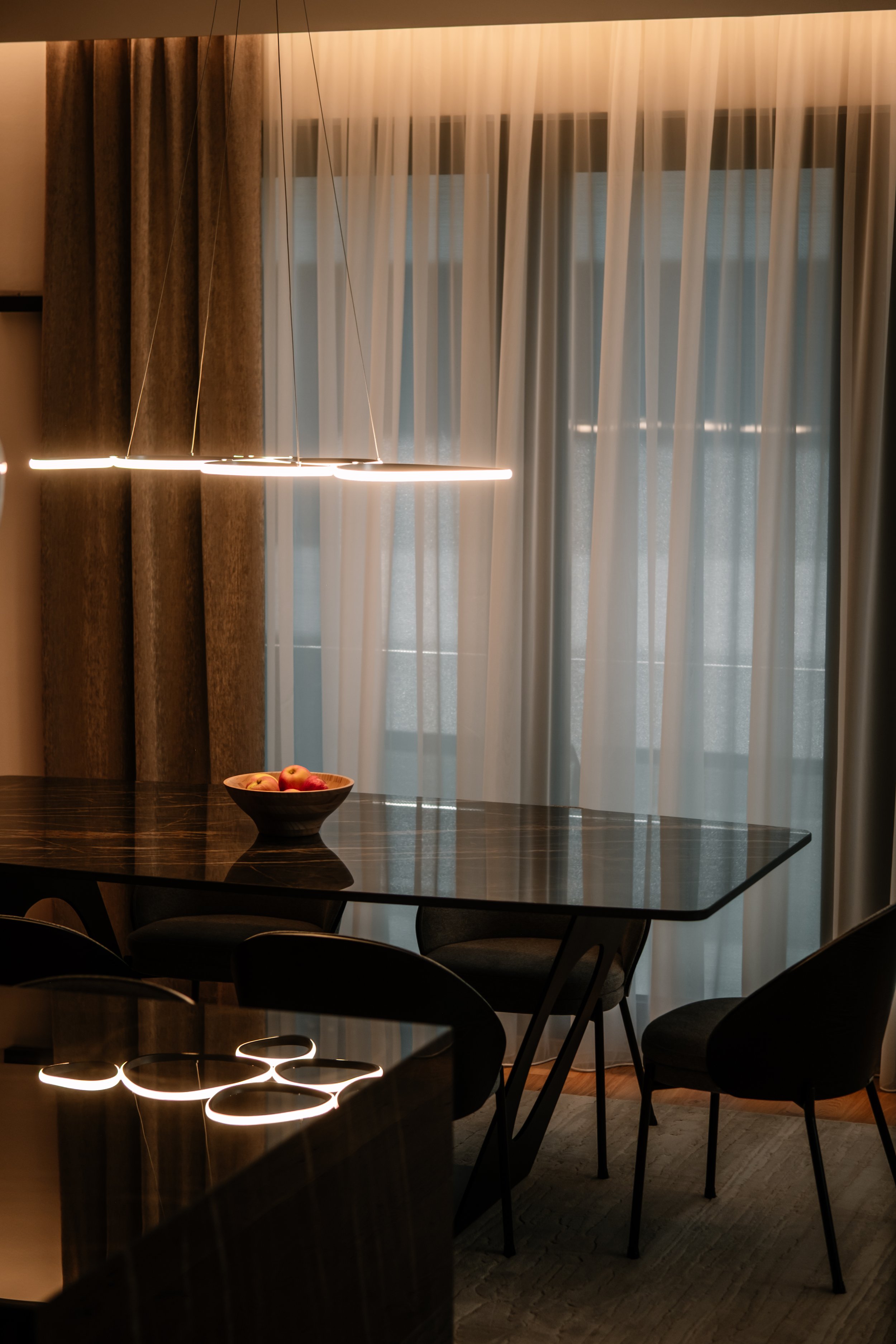
But none of them can compensate for a space that has never been properly planned. The most beautiful kitchen cannot improve a flawed layout. The finest natural stone cannot create a sense of calm. Even the most carefully considered lighting cannot replace spatial clarity.
True luxury is not found in what a home is made of. It is found in how naturally it works. When nothing feels forced. When movement becomes intuitive.
When every decision quietly supports the life unfolding within those walls. That quality cannot be measured in square metres or construction costs.
It cannot be captured in a single photograph. It is something you begin to notice only after living in a space for years.
Perhaps that is the true value of interior architecture.
Not creating something new for the sake of change, but recognising the moment when a space has the potential to become something significantly better.
Sometimes, the most valuable design decision is having the courage to begin again.
Not because what existed before was wrong. But because it could become exceptional.
That philosophy guides every project at Bella’s Home. We are not searching for perfect interiors.
We are designing homes that will continue to feel calm, intuitive and deeply personal long after the final photograph has been taken.
Because the best homes are not the ones that impress you the moment you walk in.
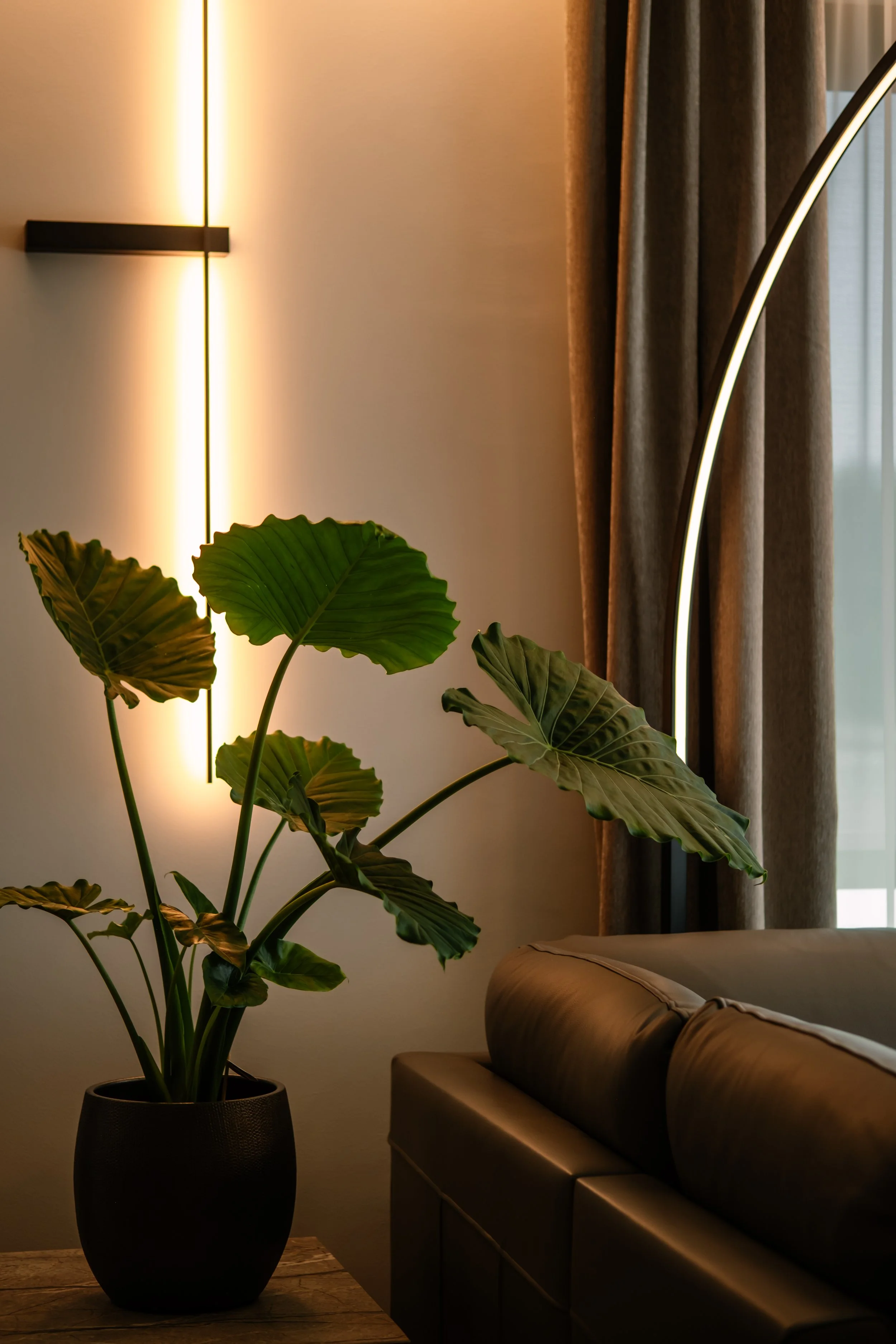
They are the ones that quietly stay with you.
The best spaces don’t ask for attention. They simply become part of your life.
Aida Golob
Founder & Interior Designer
Bella’s Home